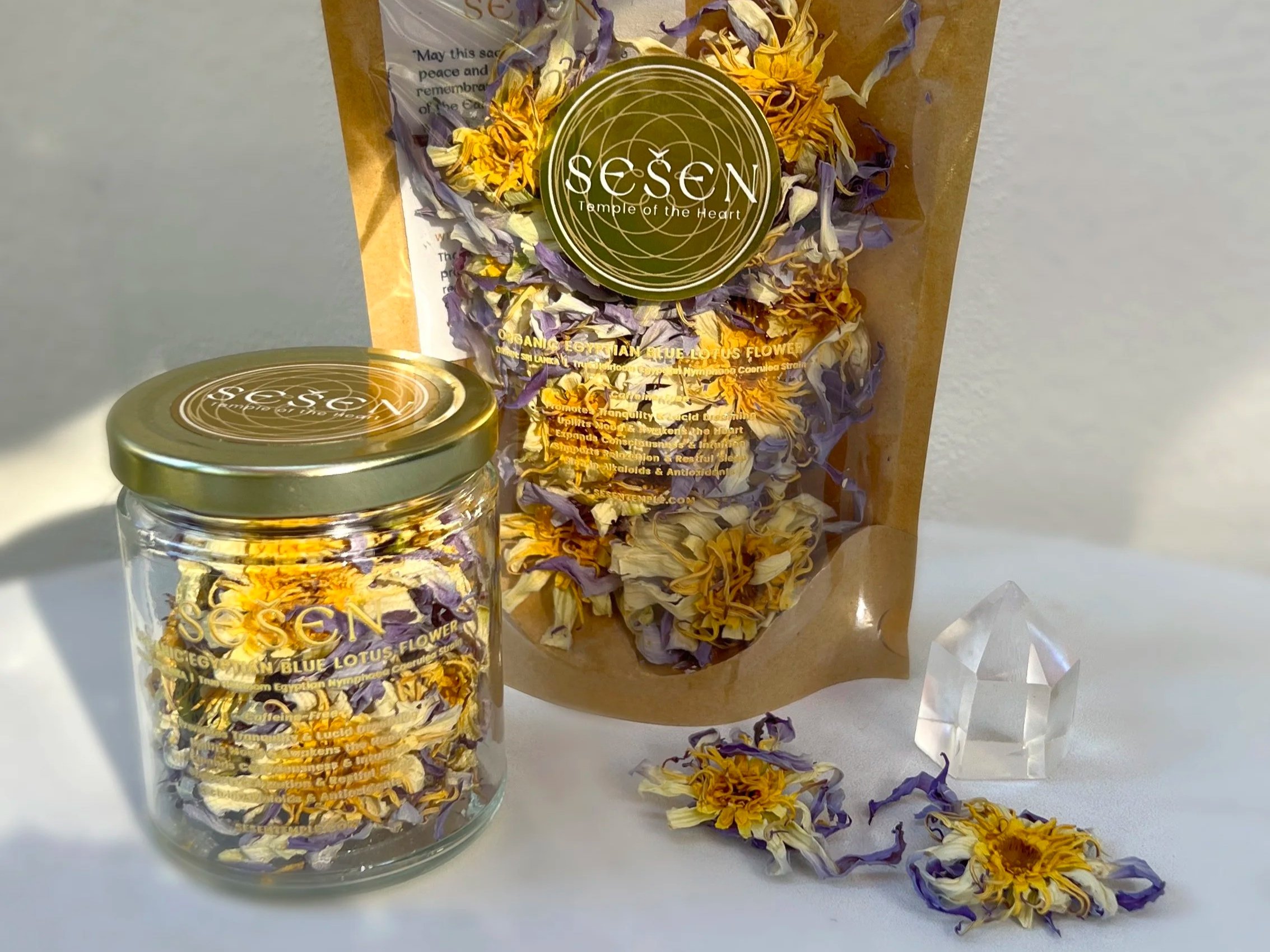
Sesen: The Ancient Egyptian Blue Lotus
Clarifying Lineage, Chemistry, and Right Relationship
In ancient Egypt, Sesen (or Seshen) named a living plant ally—one woven into ritual life, cosmology, and sensory culture along the Nile. Today, the name “Blue Lotus” is applied broadly and often inaccurately, creating confusion around what is ancient, what is authentic, and what is appropriate to work with in our current ecological moment.
At Sesen Temple, our work is not only to honor lineage, but to practice discernment and sustainability—holding both truth and responsibility.
If you search the internet for true Egyptian Blue Lotus (Nymphae Caerulea), you will find a lot of mis-information. Firstly, it is actually a type of waterlily rather than lotus, and secondly there are a multitude of variations of the ancient Egyptian Sesen. Our intention is to define different blue waterlily strains and clarify why we work with two primary strains.
Flower strains claiming to be Nymphae Caerulea which are not…
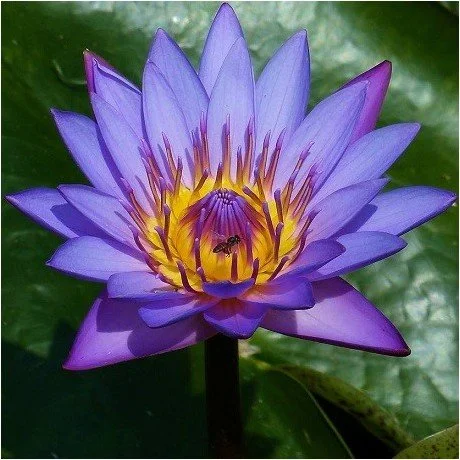
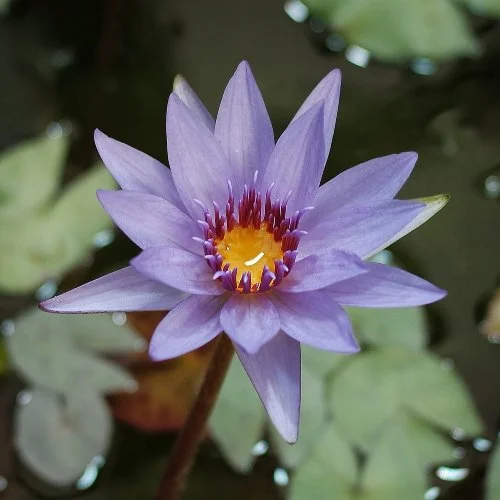
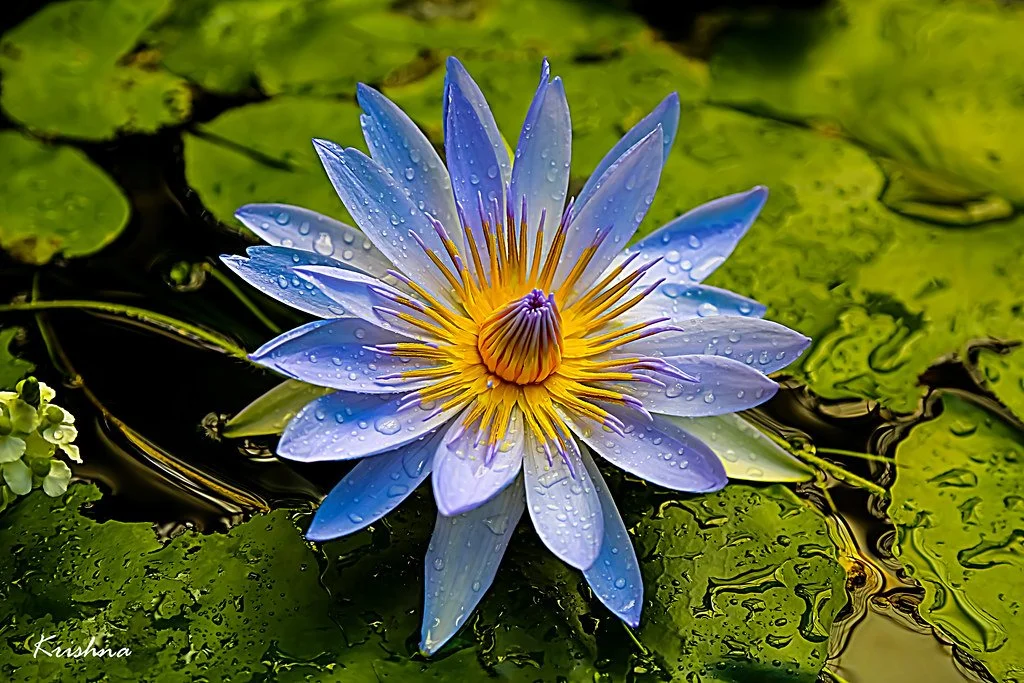
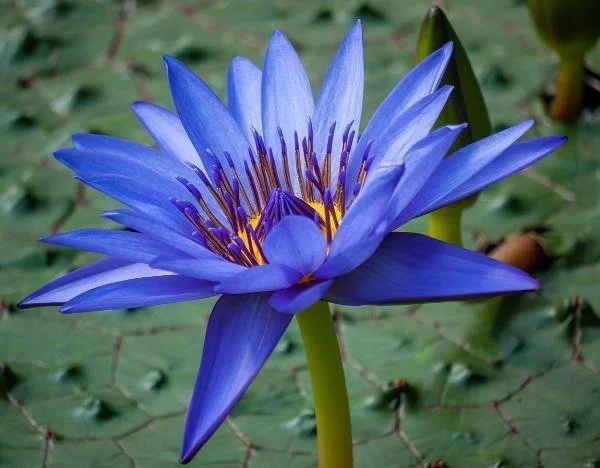
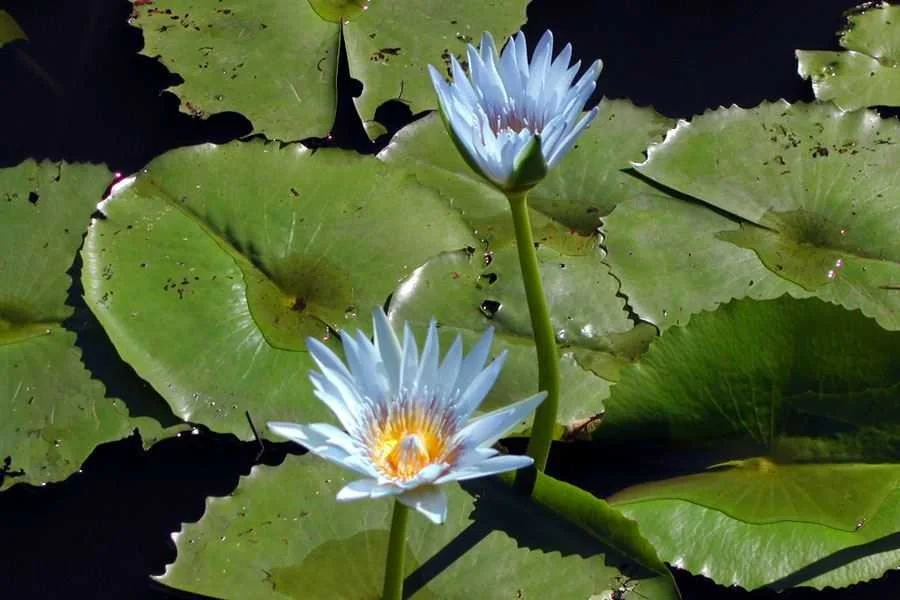
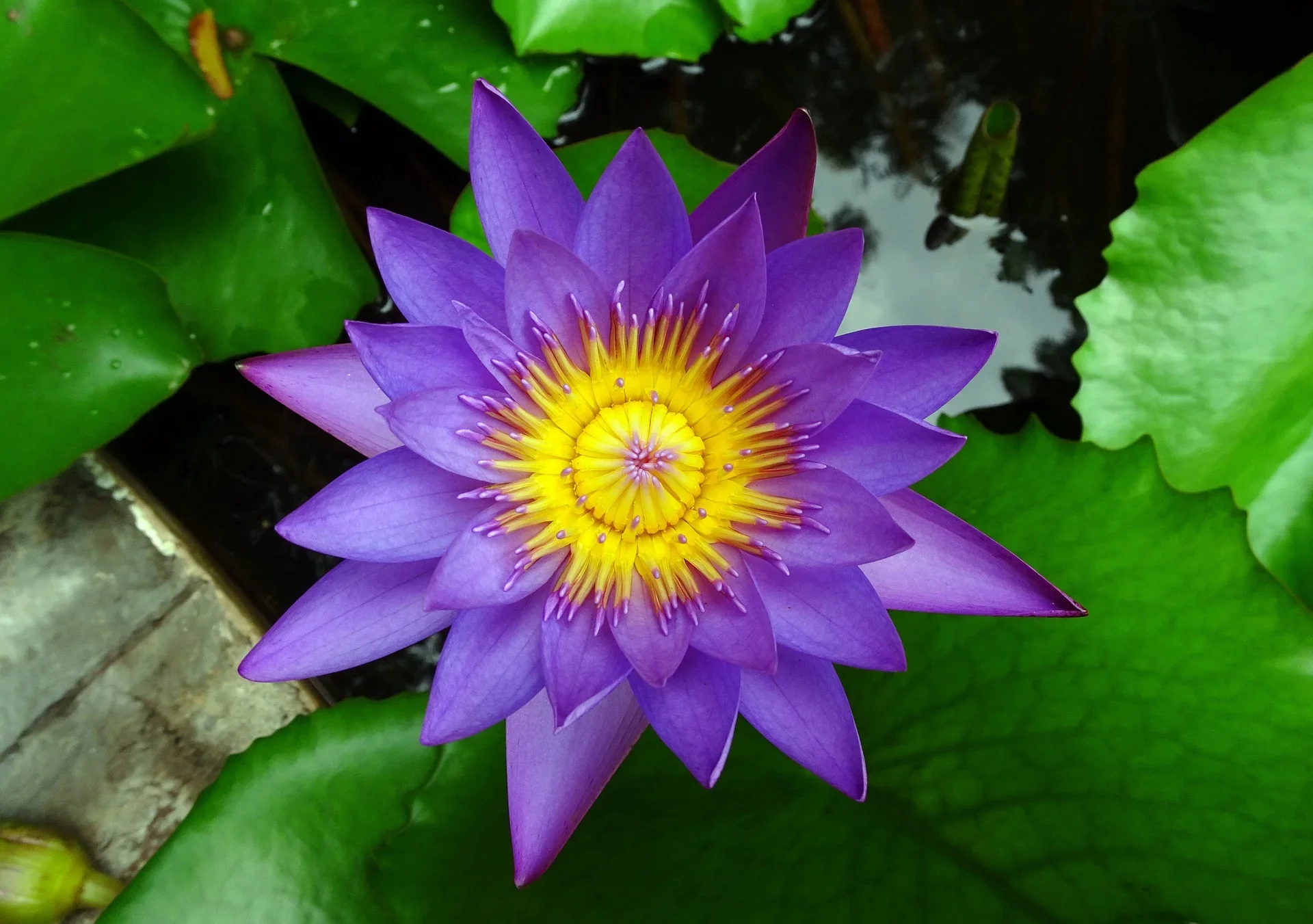
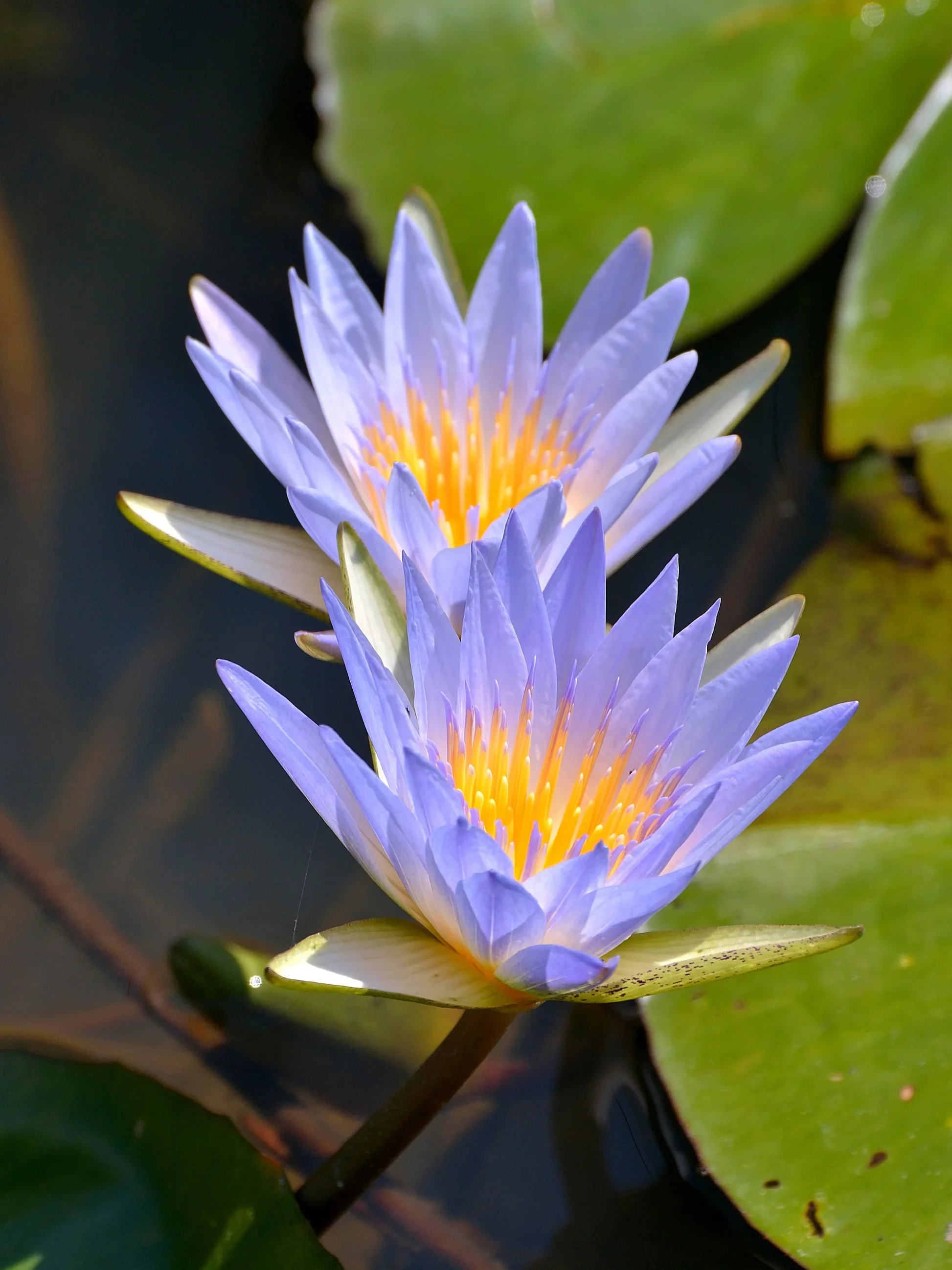
Dried flowers claiming to be Nymphae Caerulea which are not…
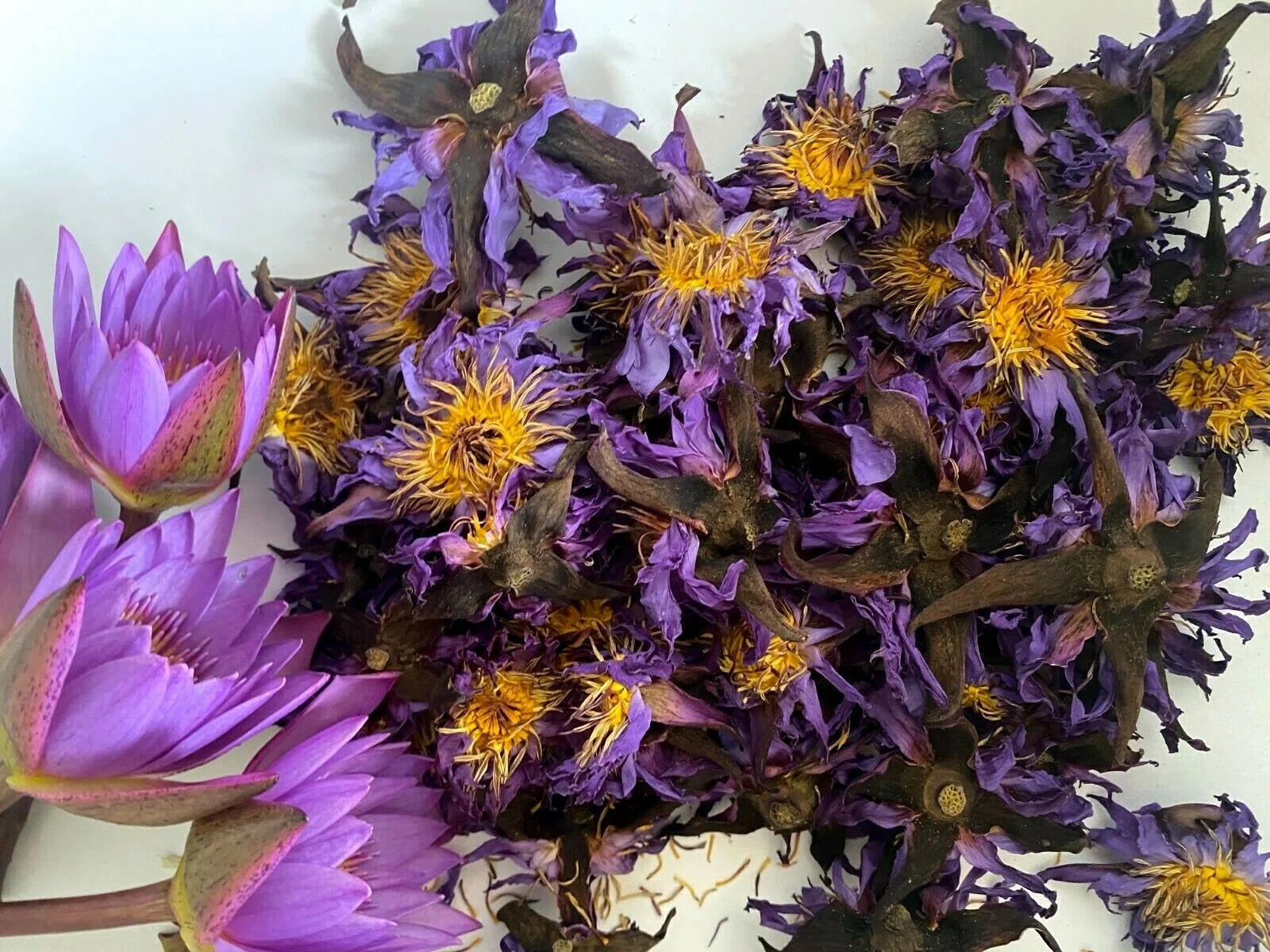
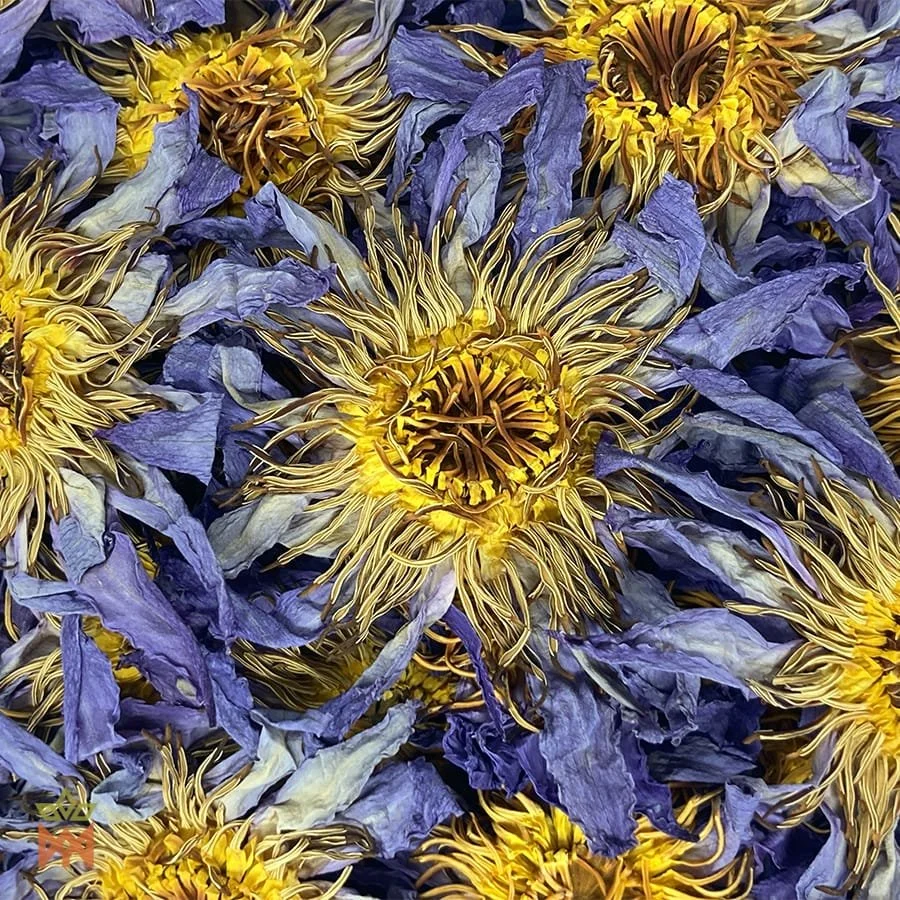
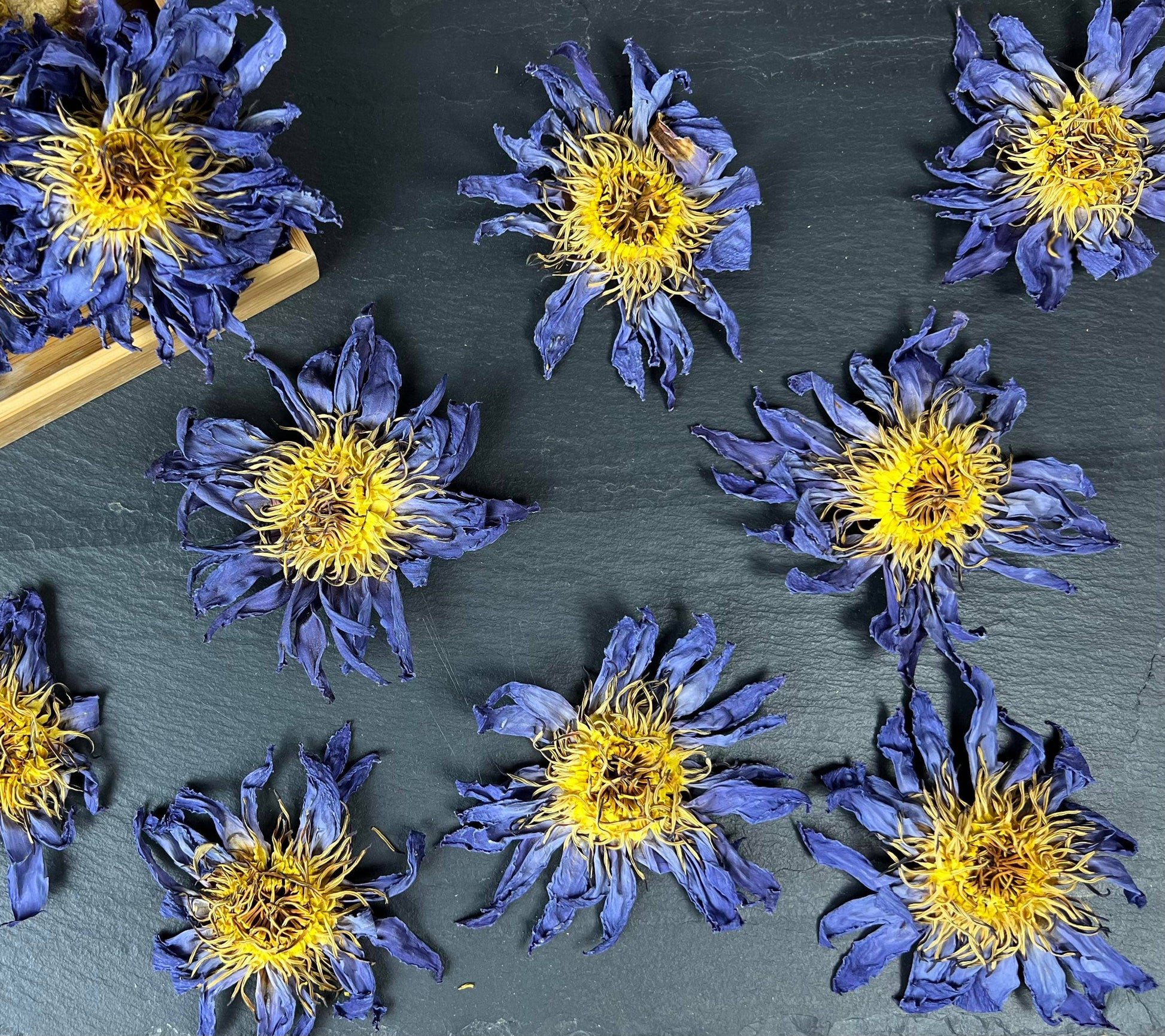
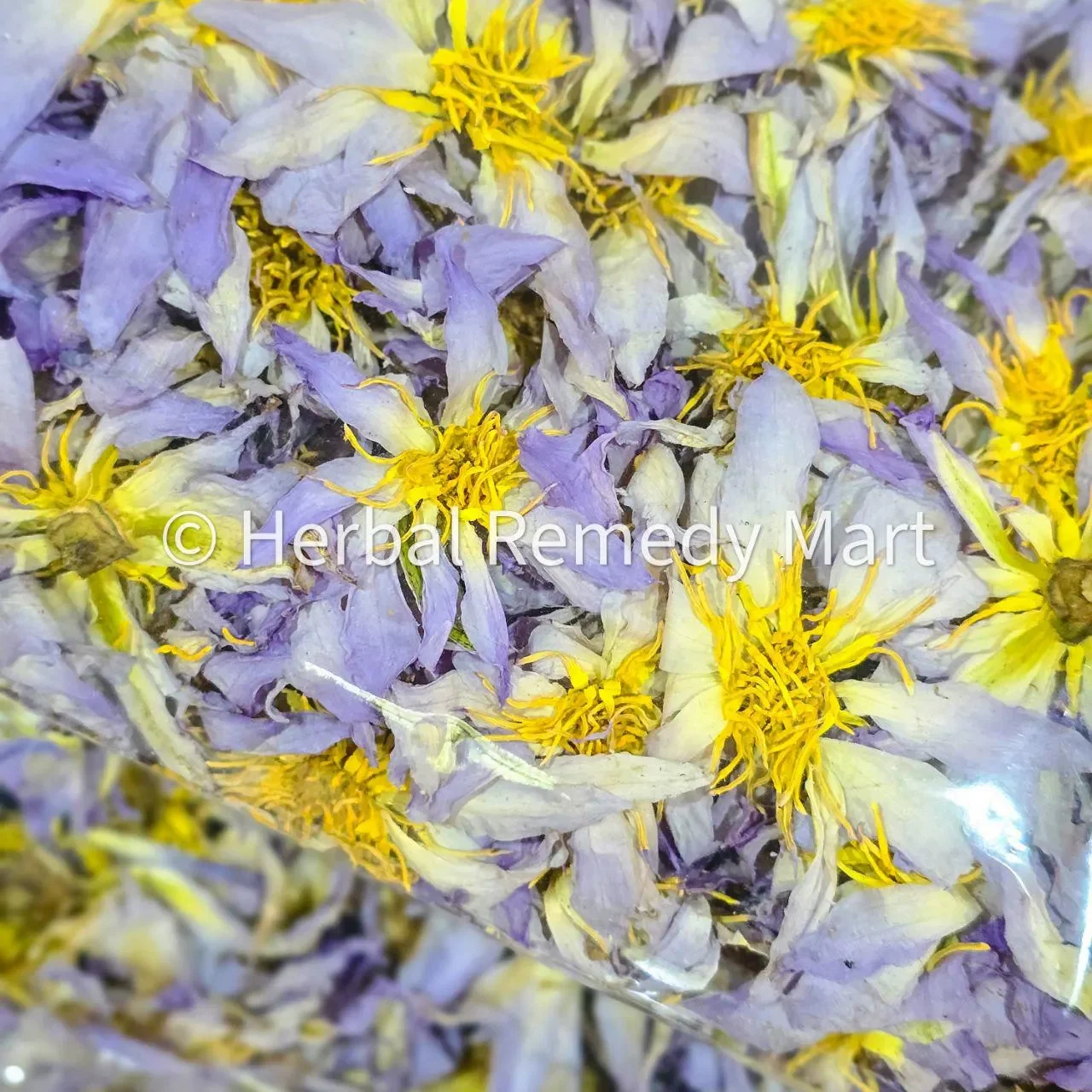
The Original Egyptian Sesen (Nymphaea Caerulea)
The plant historically known as Sesen is botanically identified as Nymphaea Caerulea, a blue water lily native to the Nile basin. This is the flower depicted throughout ancient Egyptian temple reliefs, funerary art, and ritual scenes, including its placement in the tomb of Tutankhamun (Nubian Pharaoh).
Its daily opening with the sun and closing at dusk aligned it with solar cycles, rebirth, and continuity of consciousness. Chemically, N. caerulea contains nuciferine, flavonoids, and aromatic compounds associated with calm, receptivity, and subtle shifts in awareness.
Due to ecological changes along the Nile—particularly altered flooding cycles after the construction of the Aswan High Dam—true Egyptian Sesen has become rare, difficult to cultivate at scale, and vulnerable in the wild.
Several locations in Egypt are today growing the true Egyptian Seshen, yet it is still in a small majoritively unfarmable scale.
There is a major effort to reintroduce Nymphae Caerulea in the Nubian territory, the original indigenous people of the Nile, on Heissa Island in Aswan. This is where we have been hosting Sesen Temple retreats since its re-introduction, hand-in hand with listening to the original voice and perspective of the territory and sponsoring the building of ponds for the regeneration effort.
Eventually Sesen Temple’s vision is to primarily source its Nymphae Caerulea from Nubian territory by Nubian hands. For now, we source and offer verified True Egyptian Blue Lotus sustainably farmed in Asia.
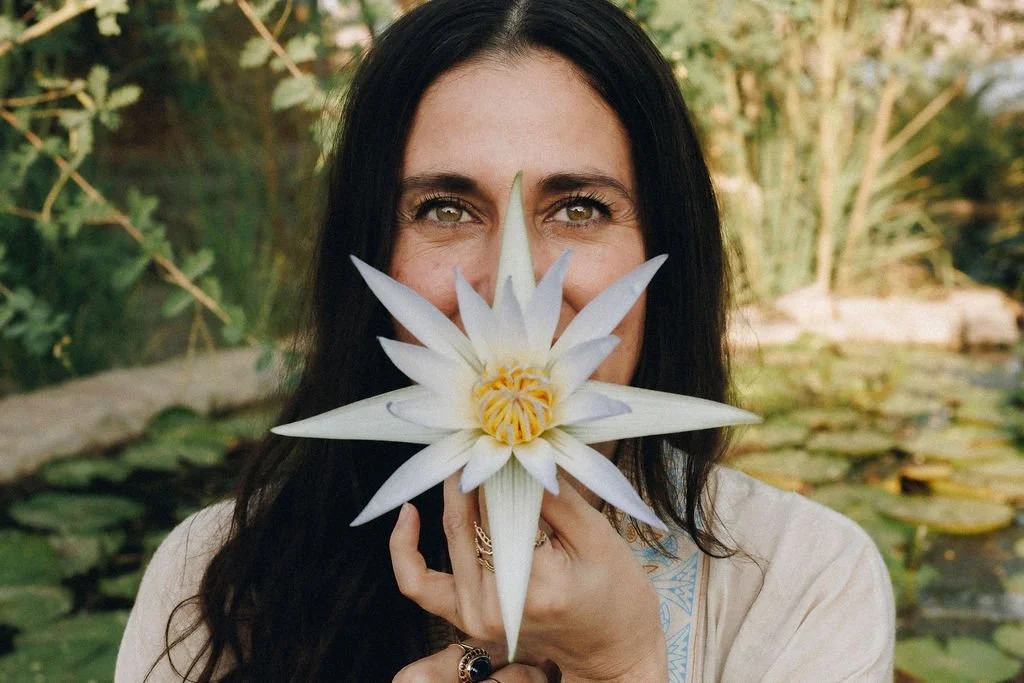
The Name Seshen and Ancient Context
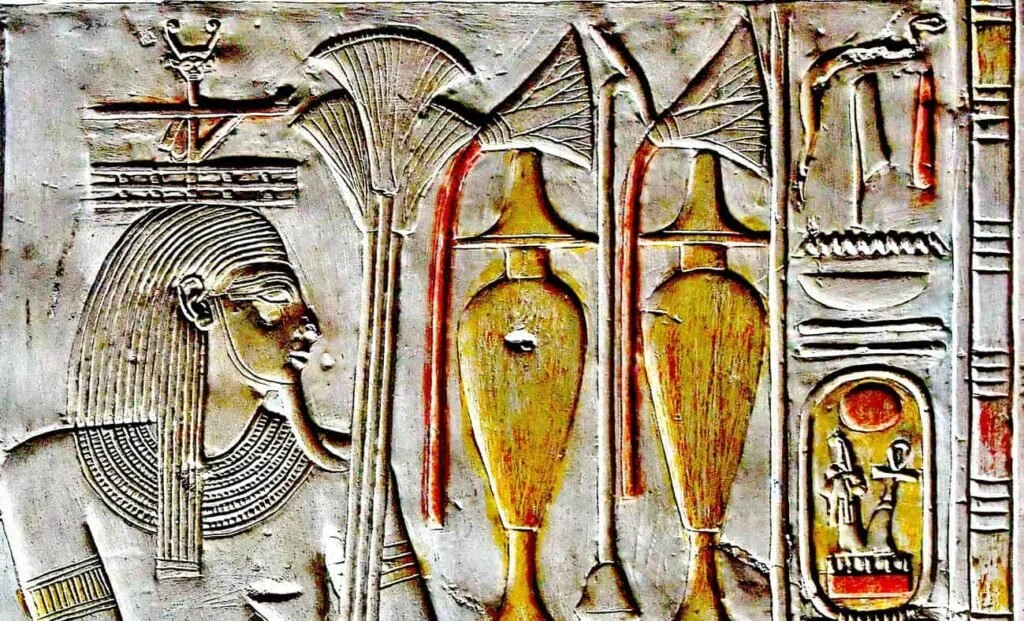
The term seshen appears in ancient Egyptian language and iconography as a specific reference to this water lily. While temple walls such as those at Edfu do not preserve modern-style written recipes, they repeatedly depict lotus offerings, libations, oils, and ritual use.
In Egyptian culture, imagery functioned as instruction. The consistent pairing of Seshen with wine vessels, ceremony, and divine figures strongly suggests intentional preparation and use—likely through infusions, oils, and aromatic applications rather than casual consumption.
Chemical Constituents and Effects (What We Know)
Modern analysis of Nymphaea species helps clarify how these plants may have been experienced historically.
Across both N. caerulea and related species, identified compounds include:
Nuciferine
A lipophilic alkaloid that interacts with dopamine and serotonin receptors, associated with relaxation, mood balance, and gentle nervous system calming.Flavonoids and phenolic compounds
Including quercetin and kaempferol derivatives, contributing antioxidant and anti-inflammatory support.Aromatic alcohols and volatile compounds
Influencing scent, perception, and subtle emotional states.
Importantly, contemporary research suggests that Blue Lotus is not a strong psychoactive in the modern sense. Its effects are best understood as subtle, relational, and context-dependent—supporting presence, introspection, and coherence rather than stimulation.
Two Strains, Two Roles: Cerulea and Nouchali
At Sesen Temple, we offer two distinct Blue Lotus strains, with clarity about their differences and their place in modern practice.
Egyptian Blue Lotus — Nymphaea Caerulea
The historically documented Sesen of ancient Egypt
Rare and difficult to cultivate at scale
Chemically rich, subtle, and lineage-specific
Best suited for ceremonial, devotional, or intentional use
We work with this strain when available, with great care and restraint.
Blue Lotus — Nymphaea Nouchali
A closely related blue water lily traditionally used across Asia
More abundant and sustainably farmed in today’s climate
Chemically gentler but still calming, heart-opening, and meditative
More accessible and cost-effective for regular use
We intentionally work with Nymphaea nouchali as a bridge plant—one that supports contemplative awareness and nervous system regulation while allowing ethical cultivation, wider availability, and ecological responsibility.
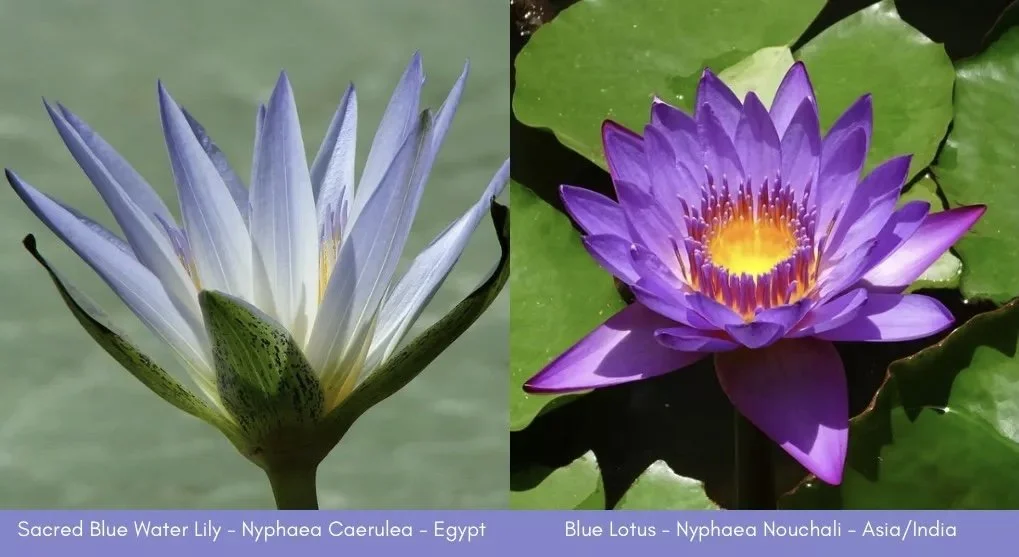
Why We Work With Both
Honoring ancient lineage does not mean ignoring present realities.
Working exclusively with N. caerulea at scale would place unnecessary strain on a vulnerable species. N. nouchali allows us to:
offer Blue Lotus in a way that is sustainable and accessible
support ongoing practice rather than rare consumption
maintain integrity without contributing to ecological depletion
Both plants are respected for what they are. We do not collapse them into one identity, nor do we elevate one at the expense of the other.
Traditional Preparations, Revisited
Historically and practically, Blue Lotus has been prepared through:
wine or alcohol infusions, which extract lipophilic compounds
hot water infusions (teas) for gentler daily use
oils and aromatic preparations for sensory and ritual contexts
At Sesen Temple, we primarily offer whole-flower tea, allowing for a simple, grounded relationship with the plant—one rooted in listening rather than intensity. We are listening and slowly producing alchemies expressed by the Seshen herself.
Our Position
We do not present Blue Lotus as a shortcut or spectacle.
We offer it as it has always been known:
a plant of beauty, receptivity, and right relation.
By naming differences clearly, sourcing responsibly, and honoring both lineage and ecology, we aim to restore clarity to a plant that has been widely misrepresented.
This is stewardship. This is the Sesen path.